Field catalog · From $2,400
Native Gardens & Pollinator Meadows
Echinacea · Asclepias · Monarda · Schizachyrium
For the homeowner tired of watering a struggling row of box-store shrubs — or anyone who wants goldfinches, monarchs, and fireflies back in the yard.
$150 on-site consult — credited in full to the project.
How we do it
Here's the case for natives, minus the lecture: a plant that evolved in these mountains already knows the clay, the rainfall, the humidity, and the late frosts. Purple coneflower (Echinacea purpurea) roots six feet down and blooms through August drought. Butterfly weed (Asclepias tuberosa) is the only thing monarch caterpillars eat. Little bluestem holds a bank better than any silt fence. Natives aren't a compromise — up here they simply outperform.
A native bed install starts with killing what's failing — usually a strip of exhausted lawn or a tangle of English ivy — then amending the soil and planting in drifts the way these species grow wild: threes, fives, sevens, not soldiers in a row. We plant densely enough that by year two the bed closes and weeds lose their footing, which means less mulch and less of your Saturday, every year after.
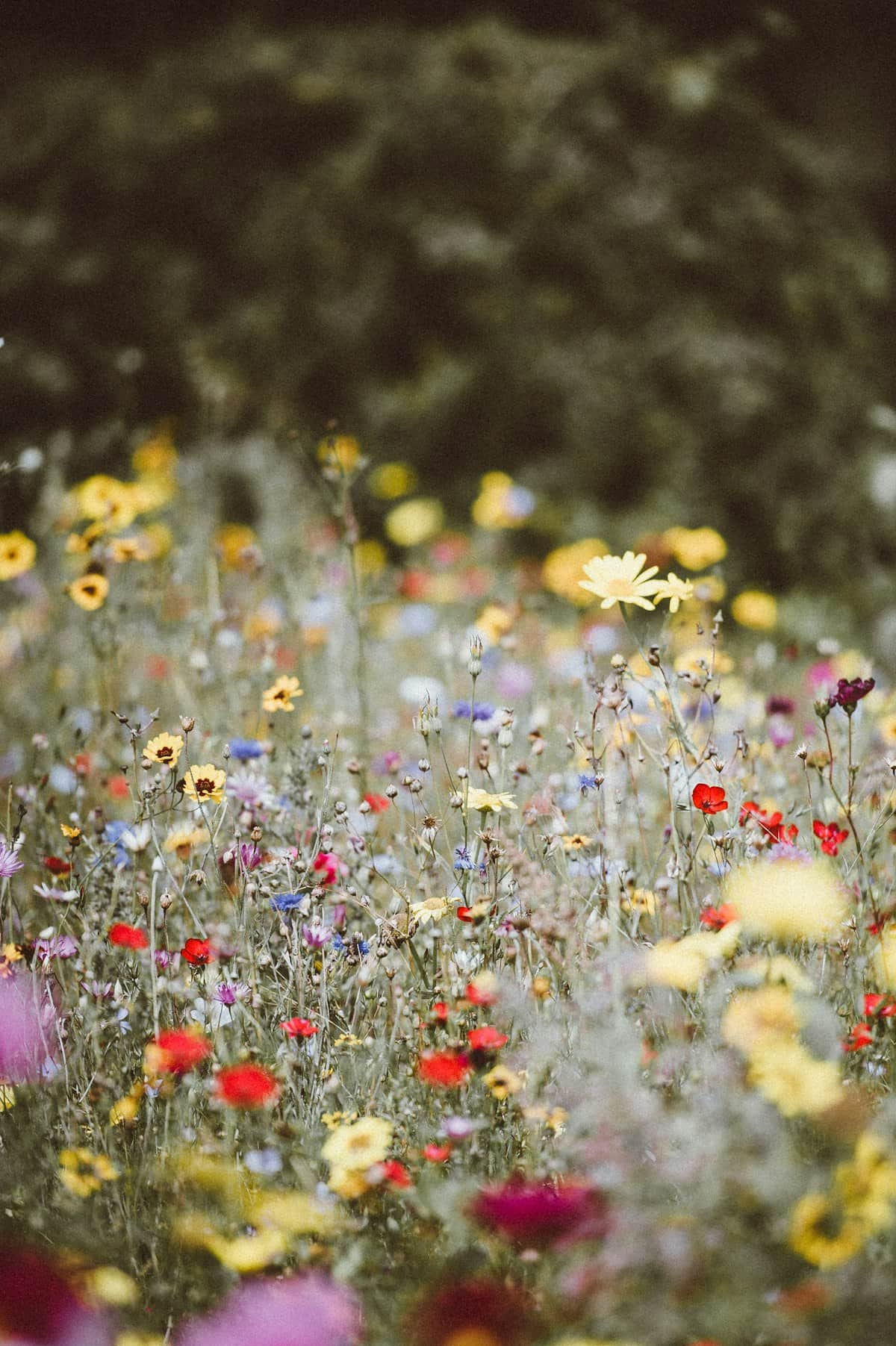
Meadows are the bigger canvas. For anything from a quarter acre up, we site-prep through a full season (this is the step DIY meadows always skip, and why they fail), then seed a WNC-specific mix of wildflowers and warm-season grasses. Year one looks modest. Year two arrives loud — goldenrod, black-eyed Susan, mountain mint, and more butterflies than you've seen since you were a kid. We're certified pollinator-habitat installers, and meadows are the work we'd do for free if you let us.
Questions we hear about this
Native Gardens, asked and answered.
Will a native garden look wild or messy?
Only if it's designed that way. Structure comes from edges, repetition, and a few evergreen anchors — inkberry, Christmas fern — so the bed reads intentional even in February. A native garden can look as tailored or as loose as you like.
How long does a meadow take to establish?
Real answer: two growing seasons. Year one the plants build roots and you get scattered bloom. Year two it fills in and gets loud. Anyone promising a wildflower meadow in eight weeks is selling you an annual mix that dies with the first frost and doesn't come back.
What about deer?
Deer pressure in WNC is real, so we lean on species they reliably skip — mountain mint, bee balm (Monarda didyma), amsonia, most ferns and grasses — and protect the vulnerable stuff its first two seasons. A smart plant list beats a fence most of the time.
Do native beds need less maintenance, honestly?
Less watering and feeding, yes — dramatically. Zero, no. They need one hard cutback a year and edge-keeping while they establish. We're honest about that up front, and our maintenance crew handles it if you'd rather not.
Also in the catalog