Field catalog · From $450
Seasonal Cleanups & Mulching
Spring reset · fall cutback · double-ground hardwood
For the yard that got away from you this year — or the new-to-you property whose beds haven't seen a shovel since the last owners.
$150 on-site consult — credited in full to the project.
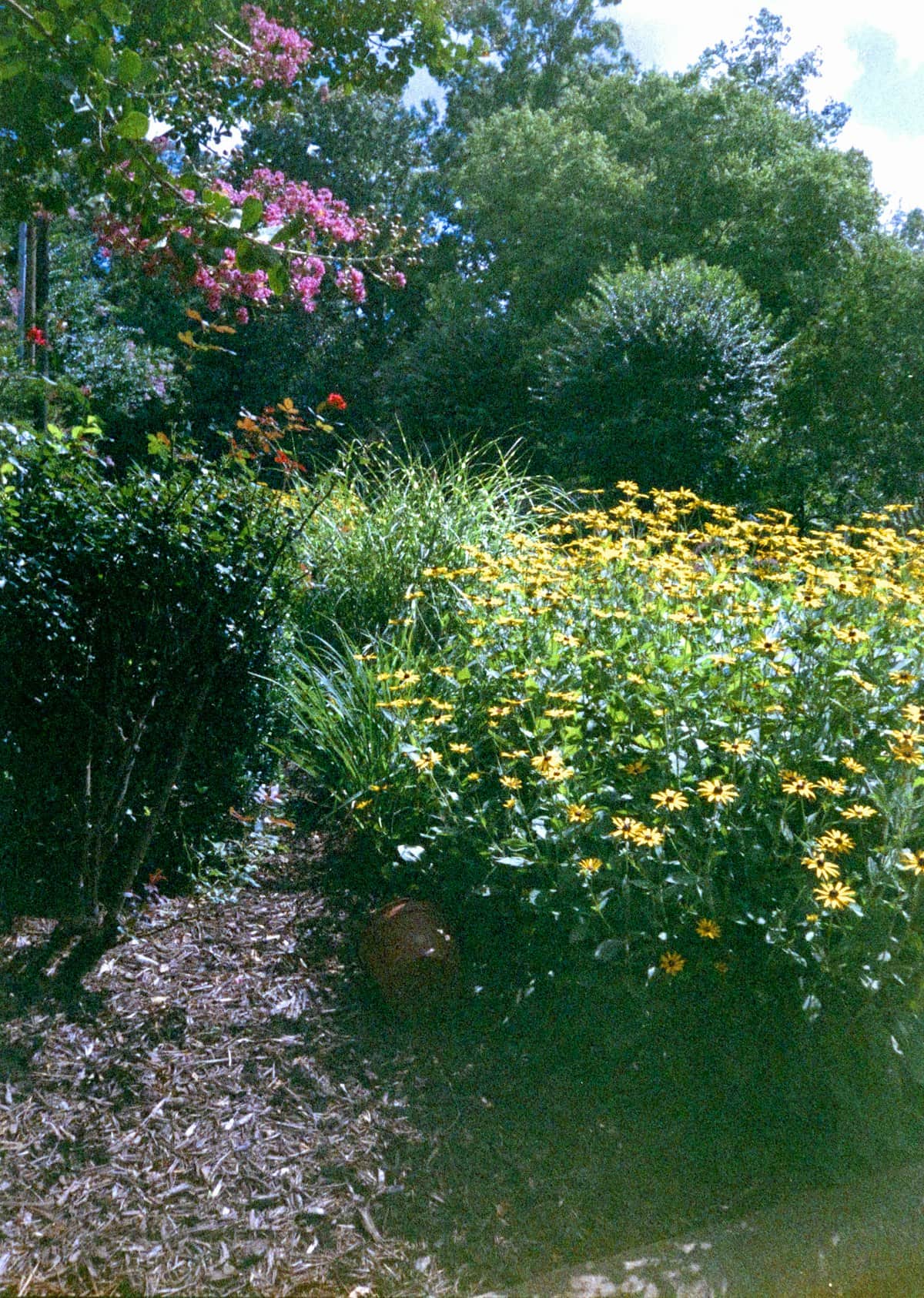
How we do it
A cleanup sounds simple until you watch it done badly. Leaf blowers scalping the crowns off perennials, mulch piled into volcanoes against tree trunks (which rots bark and invites voles), everything green sheared flat regardless of species. Our cleanups are the same horticulture as our maintenance, compressed into a day or two: a hard reset that sets the garden up for the season instead of just making the driveway look swept.
Spring cleanups run March into May: cut back last year's perennial stems (we leave them standing through the cold months on purpose — native bees hibernate in those hollow stems), first flush of weeds pulled before they seed, edges recut with a flat spade, beds fed, and fresh mulch laid. Fall cleanups are the strategic version: leaves off the lawn but raked into the beds where they belong as free insulation and soil food, tender things protected, and the garden tucked in properly before the first hard frost.
About mulch, since we're opinionated: we use double-ground hardwood, aged, laid two to three inches deep — enough to hold moisture and suppress weeds, never so deep it suffocates roots. Never dyed red. Always pulled back off crowns and trunks. A typical cleanup with mulch starts at $450 for a modest property; most land between $650 and $1,400. You get a fixed price from photos or a five-minute walkthrough.
Questions we hear about this
Cleanups & Mulch, asked and answered.
When should I book a spring cleanup?
Call in February. We hold off cutting back perennials until temps hold above 50°F for a stretch — pollinators are still asleep in those stems — so the calendar fills fast for March and April slots.
Why don't you use dyed mulch?
Dyed mulch is usually ground pallet wood — it robs nitrogen as it breaks down, the dye is cosmetic at best, and it looks like a gas station planter. Aged double-ground hardwood feeds the soil as it breaks down. That's the whole job of mulch.
Can you do a one-time cleanup without a maintenance plan?
Absolutely — plenty of clients book spring and fall cleanups and handle the growing season themselves. No plan required, no upsell. Though fair warning: about half of them end up on the maintenance list within a year.
Also in the catalog